
Ah, the sweet symphony of music. But before that first note even hits your ears, there’s often a silent struggle happening behind the scenes: a knotted nest of cables. Whether you’re a casual listener or a dedicated audiophile, tangled cables and a messy music setup can significantly detract from the joy of your audio experience. Fear not, fellow music lovers! This article is your friendly guide to transforming your listening space from a chaotic jungle of wires into a streamlined paradise. We’ll explore practical ways to prevent the dreaded tangle, protect your precious cables, and keep your home music setup looking and sounding its best, all with a beginner-friendly approach that offers insider tips even seasoned users will appreciate.
Conquer the Cord Chaos: Tangling Prevention 101
The first step to a tidy audio setup is preventing tangles before they even begin. Think of it like pre-emptive cable strikes! A common mistake is simply stuffing headphones or cables into a bag or drawer. This is a guaranteed recipe for a knotty disaster. Instead, learn the “roadie wrap” technique. Instead of winding cables tightly around your hand, gently coil them in a figure-eight pattern. This natural loop prevents kinks and tangles. For longer cables, starting the wrap from the connector end and continuing in an over-under fashion ensures the cable lies flat without twisting. Another simple tip: when unplugging headphones or earbuds, try to detach them from the source first before coiling. This prevents the cord from twisting around itself if one end is still anchored.
For your home music setup, proper cable routing is key. Instead of letting cables snake across the floor or dangle haphazardly, strategically route them. Consider where your devices are placed in relation to your power outlets and audio inputs. This foresight will save you endless frustration. Often, the shortest distance between two points isn’t always the tidiest for cables. Giving them a little slack and guiding them along walls or furniture edges not only looks better but also reduces the chance of accidental snags and pulls, which can stress and damage the internal wires. Remember, a broken cable due to stress is not only annoying but also an unnecessary expense.
DIY & Off-the-Shelf Organizers: Tools for Taming
You don’t need to break the bank to achieve cable clarity. Many effective solutions are either free or very affordable. For instance, those old twist ties from bread bags (or even better, the reusable silicone ones) are surprisingly effective for securing coiled headphone cables or bundling smaller audio cables together. Velcro cable ties are another excellent, reusable option; they come in various lengths and can be easily adjusted. For headphones, a simple headphone stand can make a huge difference. This keeps them off your desk or floor, preventing tangles and protecting the earcups from scratches. You can even DIY a stand using PVC pipe or a sturdy coat hanger for a rustic touch.
When it comes to your home music setup, cable raceways or cable sleeves are your best friends. These aren’t technical terms, but simply products designed to neatly enclose and hide multiple cables. Raceways are rigid channels that attach to walls or furniture, while sleeves are flexible tubes that cables can be threaded through. Both instantly create a much cleaner aesthetic and prevent dust accumulation on cables. Another ingenious solution for power cables behind your stereo or TV is a cable management box. This is essentially a decorative box with openings that allows you to neatly coil and hide power strips and excess cable length inside, transforming a chaotic tangle into a sleek, contained unit. Don’t underestimate the power of even a few adhesive cable clips; these small wonders can guide individual cables along the underside of a desk or behind a speaker, making them virtually invisible.
Best Practices for Longevity and a Pristine Setup
Beyond prevention and organization, adopting some best practices will ensure your audio cables last longer and your listening area remains immaculate. Always handle connectors, not the cables themselves, when plugging or unplugging. Pulling directly on the cable can damage the internal wiring where it meets the connector, leading to intermittent sound or complete failure. This applies to all cables, from your headphone jack to the RCA cables connecting your amplifier.
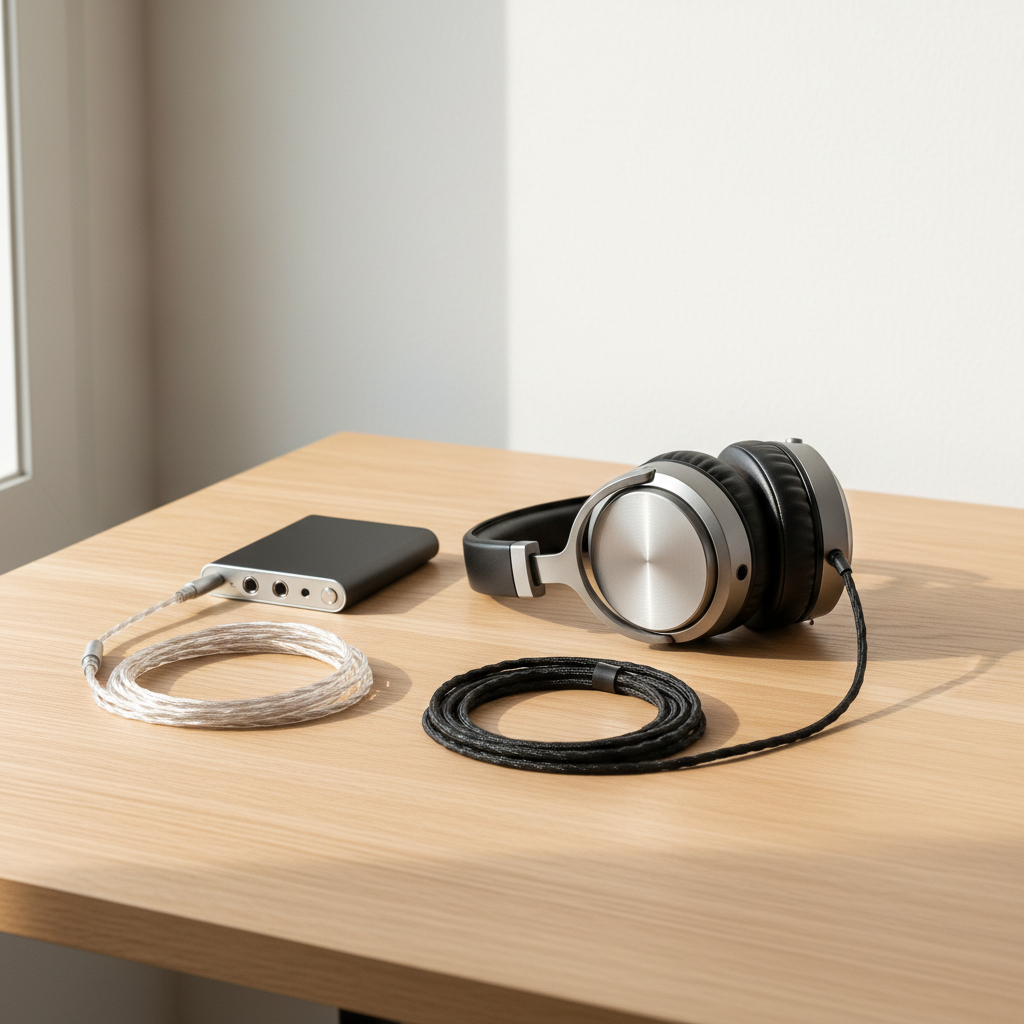
When not in use, store your headphones and cables properly. Headphones should ideally be on a stand or in a protective case. Cases prevent dust accumulation, protect the earcups, and keep cables from tangling with other items. For standalone audio cables, coil them neatly (using the figure-eight method!) and secure them with a Velcro tie or twist tie before storing them in a drawer or bin. Avoid tightly bundling cables with other items that could snag or put pressure on them. Regularly dust your setup. While it might seem trivial, dust can, over time, build up around cables and connections, potentially leading to slight interference and definitely making your setup look less appealing. A gentle wipe-down with a microfiber cloth goes a long way.
By implementing these simple yet effective strategies, you’ll not only save yourself from the frustration of untangling knots but also extend the life of your valuable audio equipment. A tidy listening space fosters a more focused and enjoyable audio experience, allowing you to truly immerse yourself in the music. So go forth, conquer the cord chaos, and let the good vibes (and clear sound) flow!