

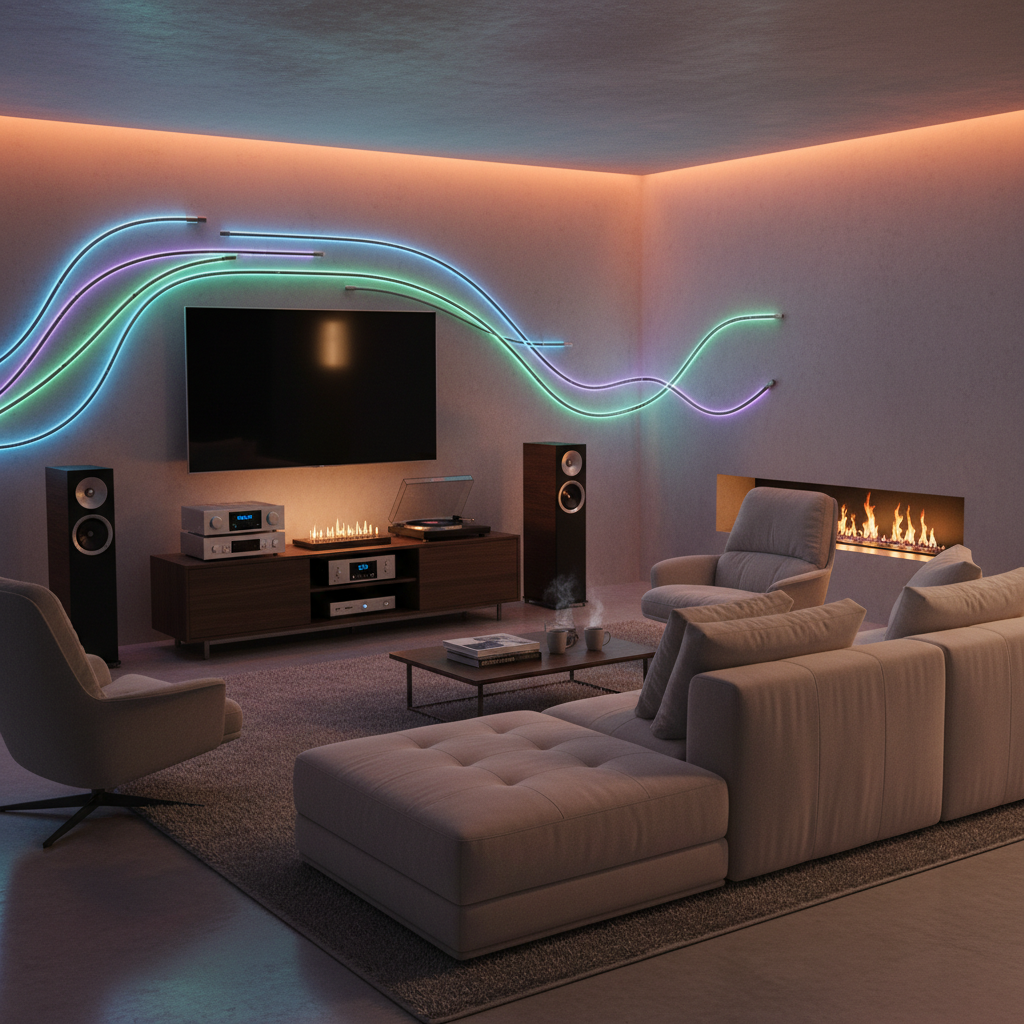
There’s nothing quite like sinking into your favorite tunes, but a spaghetti bowl of cables can quickly shatter that serenity. Whether you’re a casual listener or an audiophile building your dream setup, messy wiring is a frustrating reality. But fear not! This guide will transform your tangled torment into organized audio utopia. We’ll explore practical, budget-friendly ways to tame those unruly wires, protect your precious gear, and elevate your listening experience. Get ready to banish the cable chaos and enjoy your music, hassle-free!
The Tangled Truth: Why Cables Go Wild and How to Stop Them
Why do cables seem to have a mind of their own, coiling into Gordian knots? It often boils down to improper handling and storage. Simply shoving headphones into a bag or tossing cables into a drawer is a recipe for disaster, leading to kinks, frayed wires, and ultimately, damaged equipment. The key to prevention is understanding how cables like to be treated. Think of them as delicate instruments rather than disposable elastic bands. The common mistake is wrapping them too tightly around a device or bending them at sharp angles. This stresses the internal wires, leading to signal degradation or complete failure. To avoid this, always use a gentle, natural coil. The “over-under” method, often favored by stage technicians, is fantastic for longer cables. You alternate coiling the cable over your hand, then under, creating loops that lie flat and resist tangling when uncoiled. This technique dramatically extends cable life and makes setup a breeze. For shorter headphone cables, a simple figure-eight wrap works wonders. Avoid wrapping them around your phone or music player as the tight radius can damage the connection point over time.
DIY Delights & Smart Storage Solutions
You don’t need a hefty budget to achieve cable zen. Many effective solutions are either free or incredibly affordable. For headphones, a simple ‘headphone hook’ can be created from a bent clothes hanger or a stick-on hook found at any dollar store. Mount it under your desk or on a shelf for quick access and tangle-free storage. For cables snaking across your desk, consider adhesive cable clips. These small, inexpensive items stick to surfaces and hold cables securely in place, preventing them from tumbling off the edge or getting caught under chair wheels. Velcro cable ties are another unsung hero. They’re reusable, adjustable, and perfect for bundling excess cable length or organizing cables behind your stereo. For a home music setup, consider drilling small holes in the back of your entertainment unit to route cables neatly, effectively hiding them from view. Cable sleeves, available in various materials from neoprene to braided fabric, are excellent for grouping multiple cables into one tidy bundle, reducing visual clutter and protecting them from dust or playful pets. Think recycled toilet paper or paper towel rolls for temporary, quick cable storage – simply coil the cable and slide it inside the tube. It’s a simple, effective way to keep spare cables from getting lost or tangled in a drawer.
Advanced Organization for the Audiophile’s Alcove
For those with a more extensive audio setup, taking organization a step further can significantly enhance both aesthetics and longevity of your gear. Patch panels and cable routing trays might sound intimidating, but they are essentially a central hub for connecting and managing multiple audio inputs and outputs. A patch panel allows you to connect all your devices to a central point, then run a single, neatly bundled cable to your amplifier or receiver, greatly simplifying troubleshooting and future upgrades. Cable raceways, often made of plastic or metal, can be mounted along walls or under desks to completely conceal cables, providing a sleek, professional look. This is especially useful for speaker wires, which can often be long and visually obtrusive. When connecting components, it’s a good practice to label your cables at both ends. A simple piece of masking tape with a marker is effective, or you can invest in dedicated cable labels. This saves immense frustration when troubleshooting or reconfiguring your system down the line. Remember, proper cable management isn’t just about aesthetics; it’s about protection. Cables that are properly supported and routed are less prone to accidental tugs, bends, or damage from foot traffic, ensuring your beloved audio equipment performs flawlessly for years to come. Invest a little time now, and enjoy endless hours of pristine sound without the tangled headaches.